
ThE champion
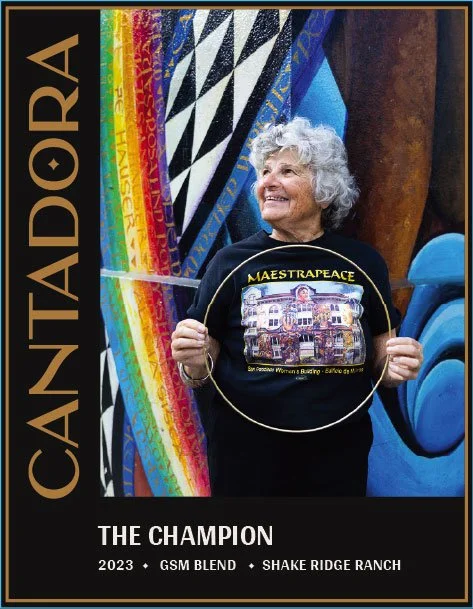
Cantadora “The Champion”
2023 Grenache (20%), Syrah (40%), Mourvèdre (40%)
Shake Ridge Ranch, Amador County AVA
Dedicated to the story and contributions of Roma Guy.
Few people leave a mark on a city so profound that generations who never meet them still walk through the spaces they imagined. Roma Guy is one of those individuals. A pioneering feminist, LGBTQ+ activist, community organizer, and institution builder, she has spent more than five decades transforming ideals into places, movements, and organizations that continue to shape lives long after their founders have stepped aside.
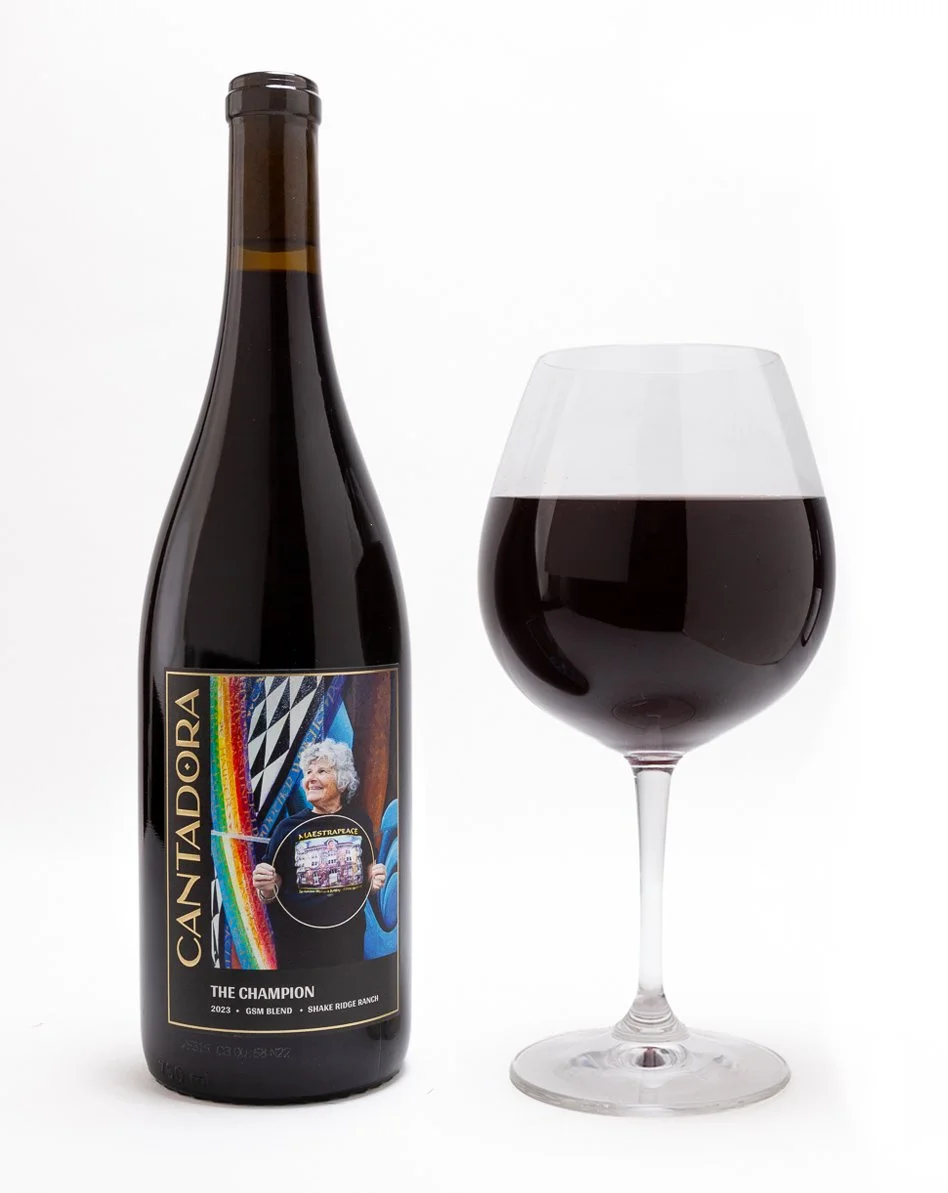
On her wine label for Cantadora, she is archetyped as “The Champion”. Her wine is vibrant with bold flavors of strawberry, raspberry, cherry, and baking spice notes with a last hint of chocolate on the finish. Her mother, who loved chocolate, would likely approve.
Organically farmed by Ann Kraemer
110 cases produced
When I let Roma know I thought a good name for her wine was “The Champion” she flinched a little. I think because she doesn’t see her work as done. But her extraordinary lifetime of achievement, by definition, should be considered a great big “W”. Her wine is vivacious and bold like her personality and the innumerable accomplishments she along with her community organizing have achieved. With those victories came hard-won progress for diverse women including the emerging LQBTQ+ community.
Her story begins far from the political movements and socio-economic structures of San Francisco. It begins in the northern reaches of Maine, in a large family whose history stretched back to the 1600s, and whose values would quietly shape everything she later built.
Born into a family of eight children, Guy grew up in Fort Kent, Maine, near the Canadian border. She was the eldest child, a position that carried responsibility from an early age. Her family’s roots traced back to the French-speaking settlers, some of whom were expelled from Nova Scotia during the colonial struggles between Britain and France. Reflecting on her heritage, Guy often spoke about the importance of belonging and place.
The idea of place would become one of the defining themes of her life.
Growing up in rural Maine meant learning discipline through work. Potatoes were the region’s major crop, and harvesting them was a community effort. Schools closed during harvest season so children could help in the fields before winter snows.
“We would get out there at 5:30am in the morning,” Guy remembered. “That’s where we got our discipline. All my siblings are workaholics, like I am.”
Long before she became a nationally recognized activist, she was a child carrying a lunch pail into potato fields from dawn to dusk, babysitting and on a newspaper route.
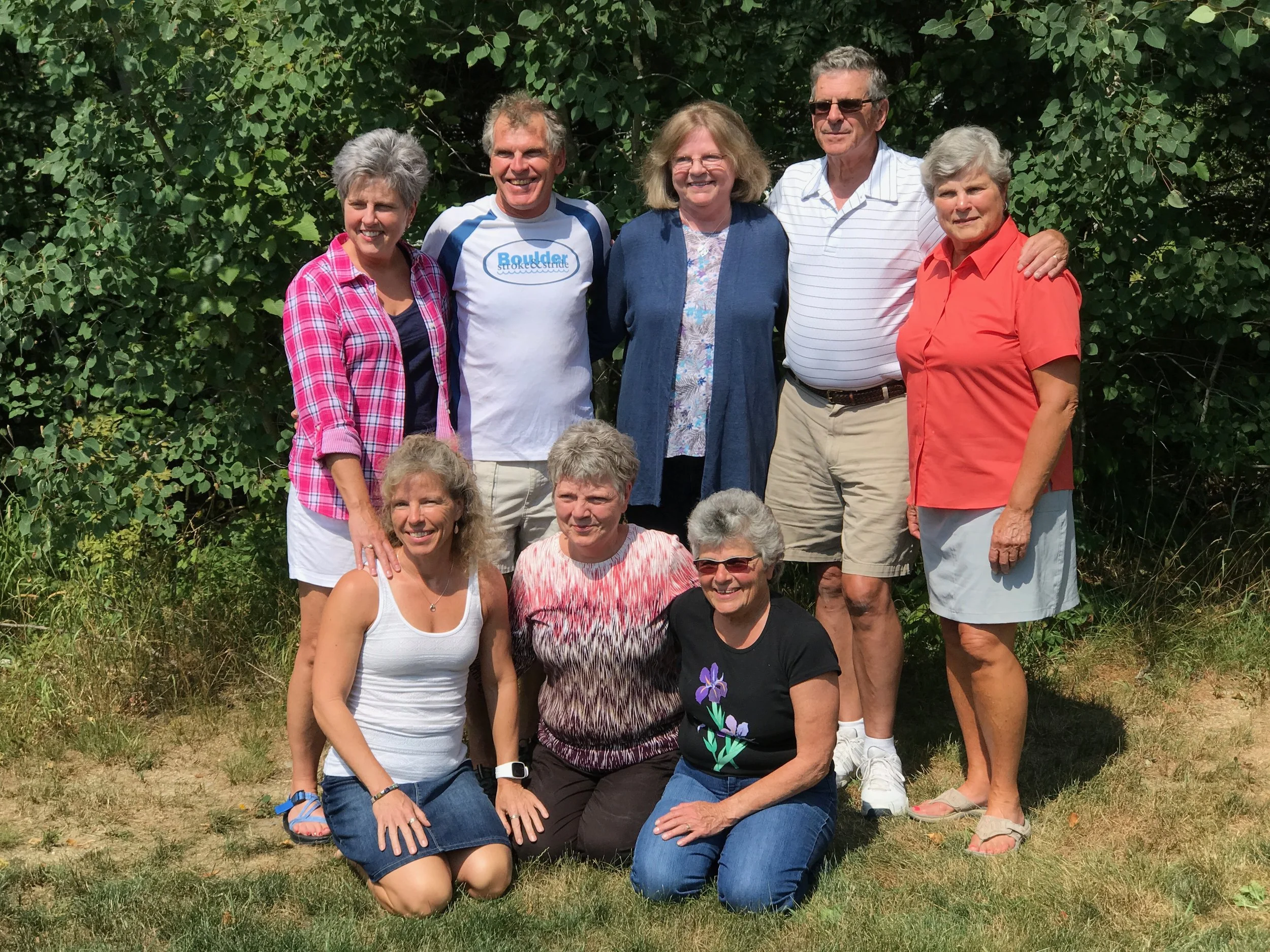
Roma Guy and her siblings in Fort Kent, Maine
The household itself was full of stories. Her father was a farmer, later a commodities broker; her mother, Marguerite, worked as a waitress until Guy was born. Guy often described her parents’ relationship with affection and humor. Decades later, she still remembered discovering her father’s old love letters in the attic.
“My dad fell madly in love with my mom,” she said. “I found his love letters, so I had it to prove.”
Life in a family of eight children was lively, crowded, and deeply communal. Guy shared bedrooms with siblings and helped care for younger brothers and sisters. One of her favorite childhood memories involved her mother’s hidden candy stash.
Whenever she and her sister found peanut butter cups tucked away among the pots and pans, they immediately knew what it meant.
“Oh God,” they would say, “Mom’s pregnant.”
The story was funny, but it also reflected the realities of a time when childbirth, miscarriage, caregiving, and family life were experienced directly rather than hidden behind institutional walls. Those early experiences gave Guy an understanding of women’s lives that would later influence her activism.
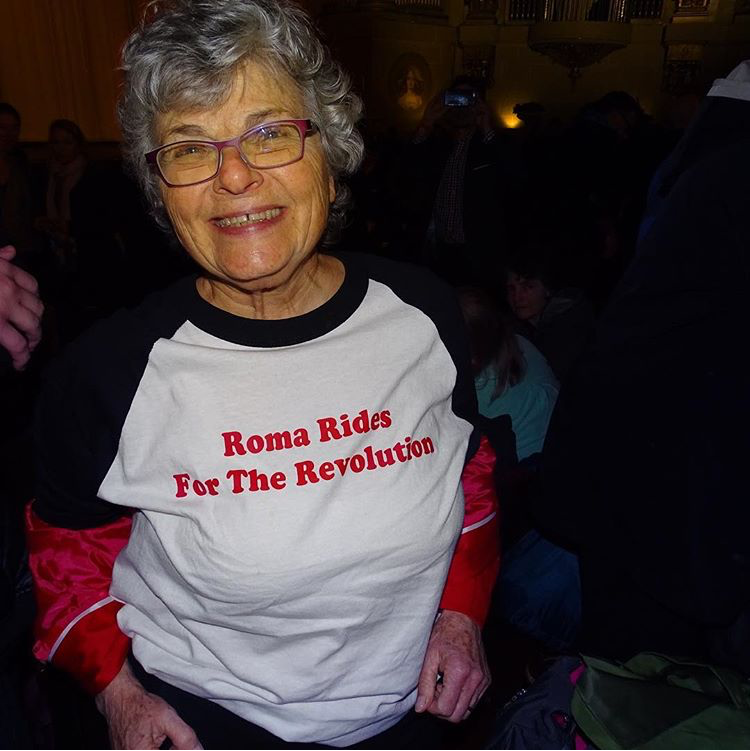
Roma at a fundraising event for the The Women’s Building in San Francisco
Her family also taught her what collective action could accomplish. Her father was on the school board, in the Lions Club and Business Clubs. When medical care was scarce in their community, her father worked alongside Catholic nuns and local leaders to help build a hospital. It was a practical lesson that communities did not have to wait for solutions; they could create them.
After leaving home, Guy pursued higher education and social work. She attended the University of Maine and later earned a Master of Social Work degree at Wayne State University in Detroit, where she studied community organizing and urban planning while working in predominantly Black neighborhoods. These experiences broadened her understanding of inequality and sharpened her commitment to social justice, especially as the civil rights movement emerged.
In 1962, she joined the Peace Corps and became part of one of the earliest groups of volunteers sent to Côte d’Ivoire in West Africa. There she helped create literacy and health education programs, gaining firsthand experience in grassroots development and community empowerment from latrines to women’s groups. Later, she returned to the Peace Corps as a training director in Togo, where she met Diane Jones, the woman who would become her life partner.
Together, Guy and Jones eventually settled in San Francisco during a period of extraordinary social change.
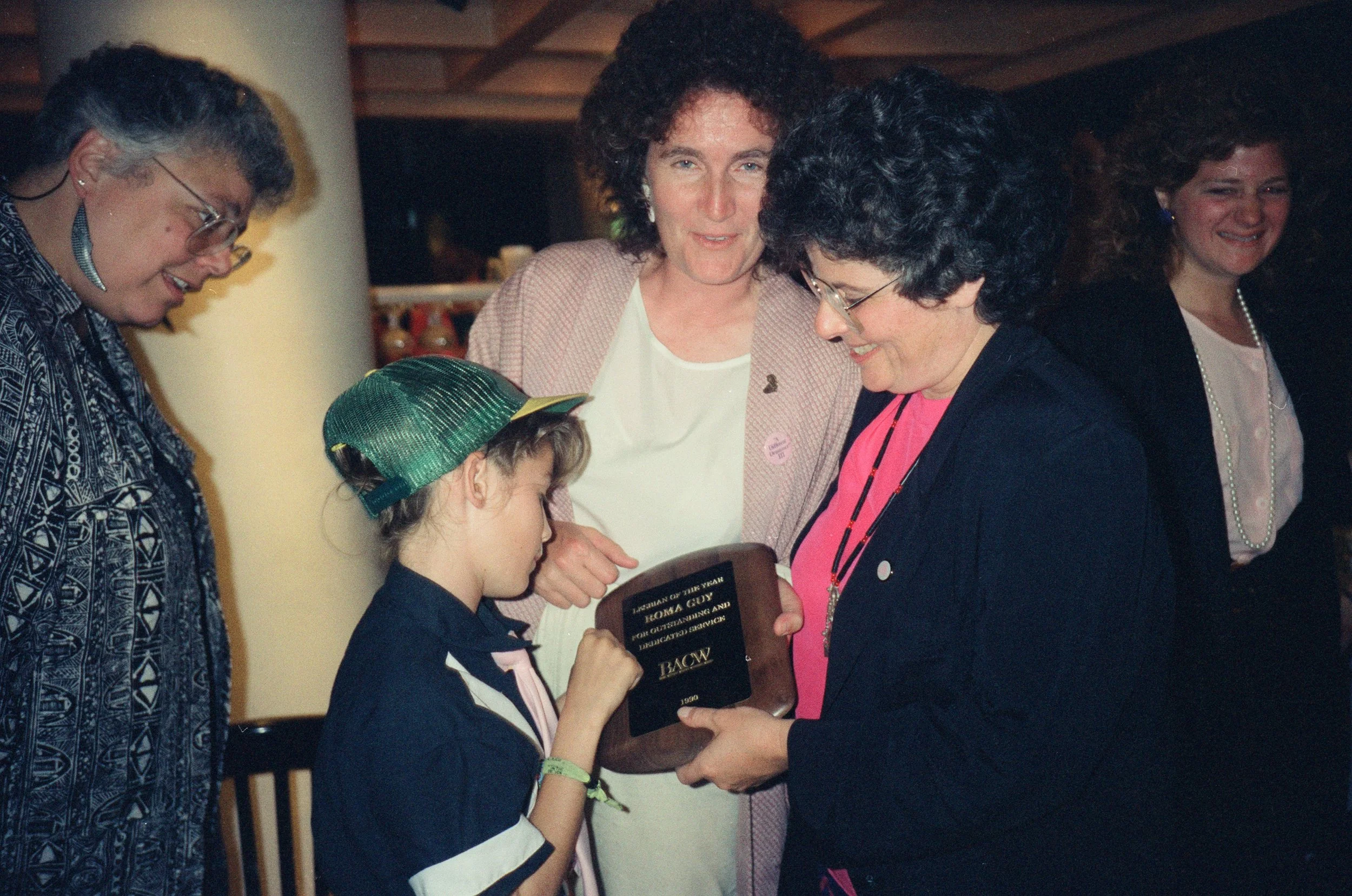
Diane Jones & Roma Guy at their wedding
The city of the 1970s was alive with feminist organizing, gay liberation activism, anti-war movements, and struggles for racial and economic justice. For Guy, however, activism was never only about protest. It was about building lasting structures that could sustain movements.
One of her greatest contributions emerged from a simple but powerful realization: women needed a place of their own.
When reflecting on why she became so committed to creating physical spaces, Guy connected it directly to her childhood experiences and family history.
“Place helps define what you become,” she explained. “Where your safety is, where your threats are, where you find a grounding.”
Inspired by Virginia Woolf’s famous idea of “a room of one’s own,” Guy expanded the concept.
“We need a room of our own in our own community,” she said.

Roma and associates organizing for The Women’s Building and La Casa de las Madres.
That vision became The Women’s Building.
Guy was among the staff of San Francisco Women’s Centers and later a co-founder of The Women’s Building, which opened in the Mission District and became the first woman-owned and operated community center in the United States.
What started as a practical solution to the difficulty of finding space for women’s conferences evolved into one of the most influential feminist institutions in America. Over the decades, The Women’s Building would sponsor and incubate more than 100 organizations, many of which became major nonprofits in their own right.
The impact of the building extended far beyond San Francisco.
Years later, after the television miniseries When We Rise introduced Guy’s story to a national audience, she received a message from a woman in Arkansas. The woman described surviving childhood abuse, abusive relationships, and years of hardship. At a particularly difficult moment, she had discovered a photograph of The Women’s Building online.
“She downloaded it and put it on her desk at work,” Guy remembered. The image became a source of strength and hope. Eventually, the woman told Guy that her dream was to travel to San Francisco and touch the murals on the building’s walls.
Guy never learned whether the woman made the journey.
“But I just thought,” she reflected, “you just never know.”
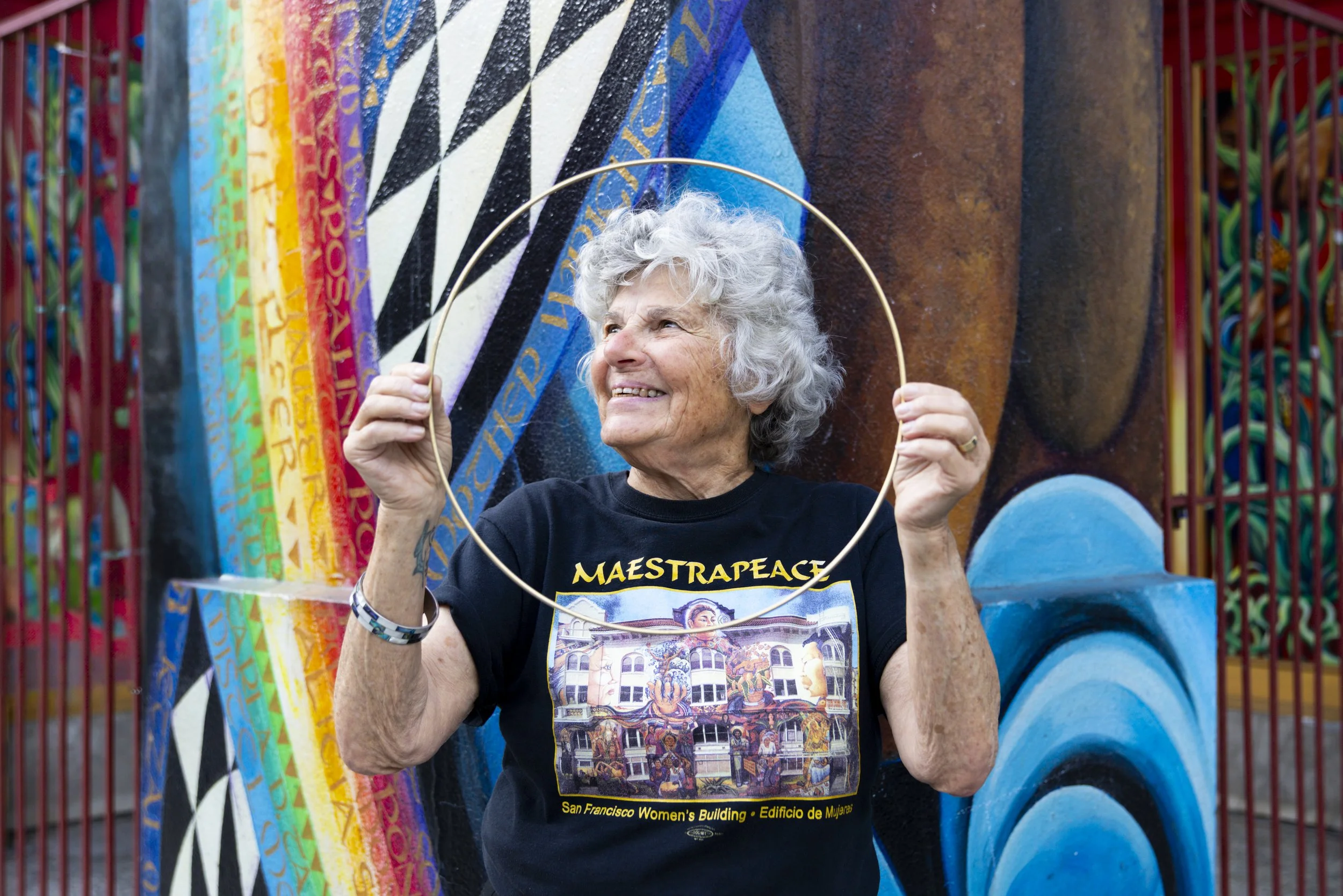
Roma, photographed in front of The Women’s Building for her wine label “The Champion”.
That story captures the essence of Guy’s legacy. The institutions she built were never merely buildings. They were symbols—visible proof that another way to organize as a community was possible.
The Women’s Building became only one part of her remarkable record of institution-building. Guy also co-founded La Casa de las Madres, San Francisco’s first shelter for battered women; San Francisco Women Against Rape; and The Women’s Foundation of California. Each organization addressed a pressing need and provided practical support to women facing violence, discrimination, or economic hardship.
Her work consistently focused on creating durable solutions rather than temporary responses. She understood that social movements needed homes, resources, leadership pipelines, and funding structures if they were going to survive.
That practical vision distinguished her from many activists of her era.
Guy often jokes about one turning point in her life. During the years when some feminists were creating women-only communes in rural Northern California, she was invited to join them. In recalling the moment, she laughs about a proposal that she join a romantic threesome.
Her response was unforgettable:
“Are you kidding me? I have work to do.”
She frequently follows the story with another joke.
“Aren’t you happy that I didn’t want to be a threesome? Because now we have the Women’s Building.”
The humor reveals something important about Guy’s character. She never lost sight of joy.
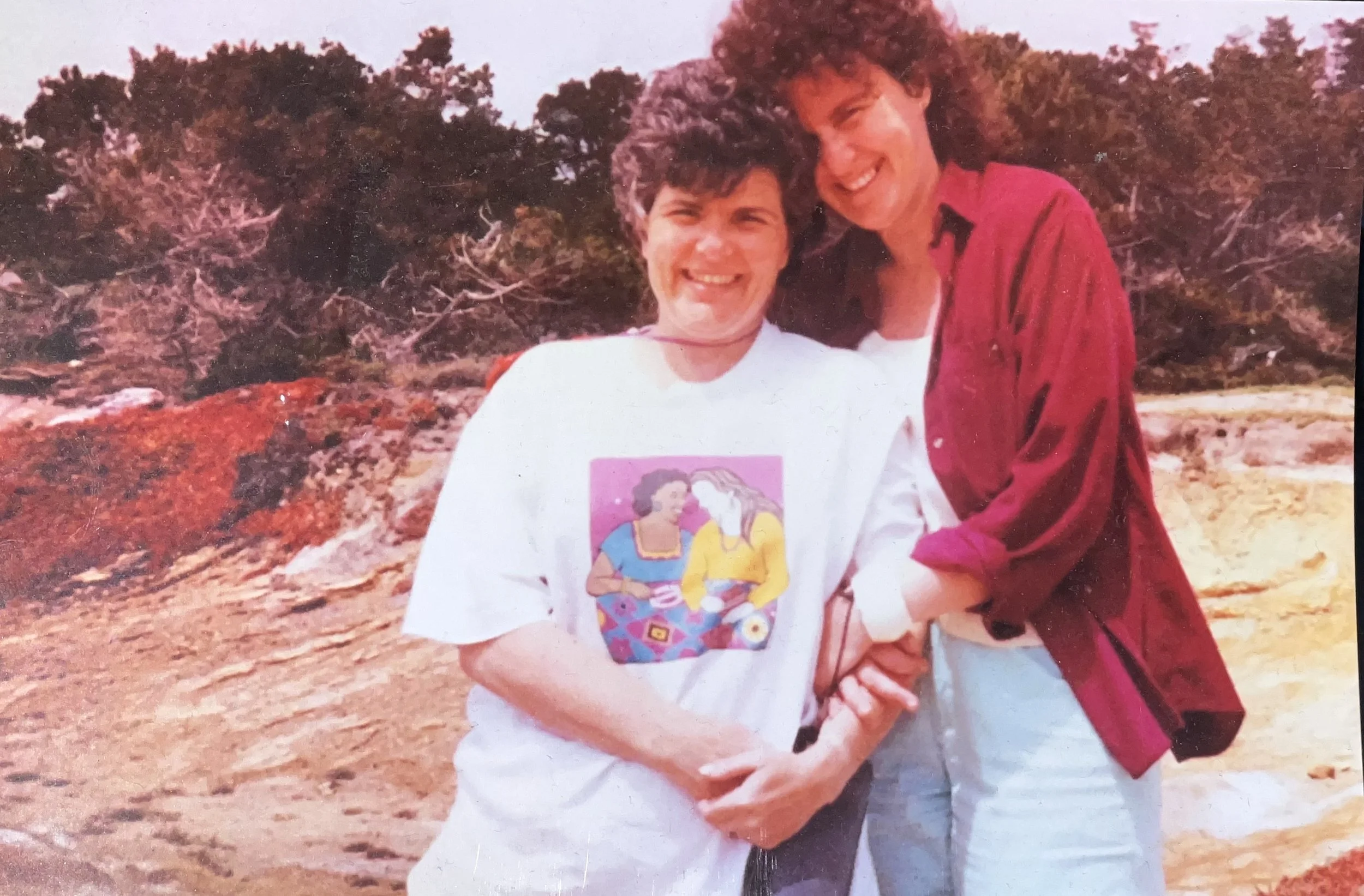
Roma and her wife, Diane.
As the LGBTQ+ movement evolved, Guy emerged as one of its respected elder stateswomen. Younger generations discovered her through documentaries, interviews, and television portrayals of early gay-rights activism. Many saw in her a model of courage, authenticity, and perseverance.
During her interview, she was visibly touched when told that a teenage girl had described her as a personal “gay icon.” The idea that her life story could help someone feel seen and represented clearly mattered to her.
Recognition continued to grow throughout her later years. Her contributions have been celebrated by civic organizations, historians, LGBTQ+ groups, and women’s rights advocates. Her work has been highlighted in documentaries, historical exhibits, and educational programs that chronicle the development of feminist and LGBTQ+ movements in the United States.
In recent years, Guy has also received international recognition. She has been nominated for the Nobel Peace Prize by supporters who view her decades of institution-building, anti-violence advocacy, and community organizing as a model of peace-building through social justice. While Nobel nominations remain confidential for fifty years unless disclosed by nominators, public reports and advocacy campaigns surrounding her nominations have highlighted the global significance of her work.
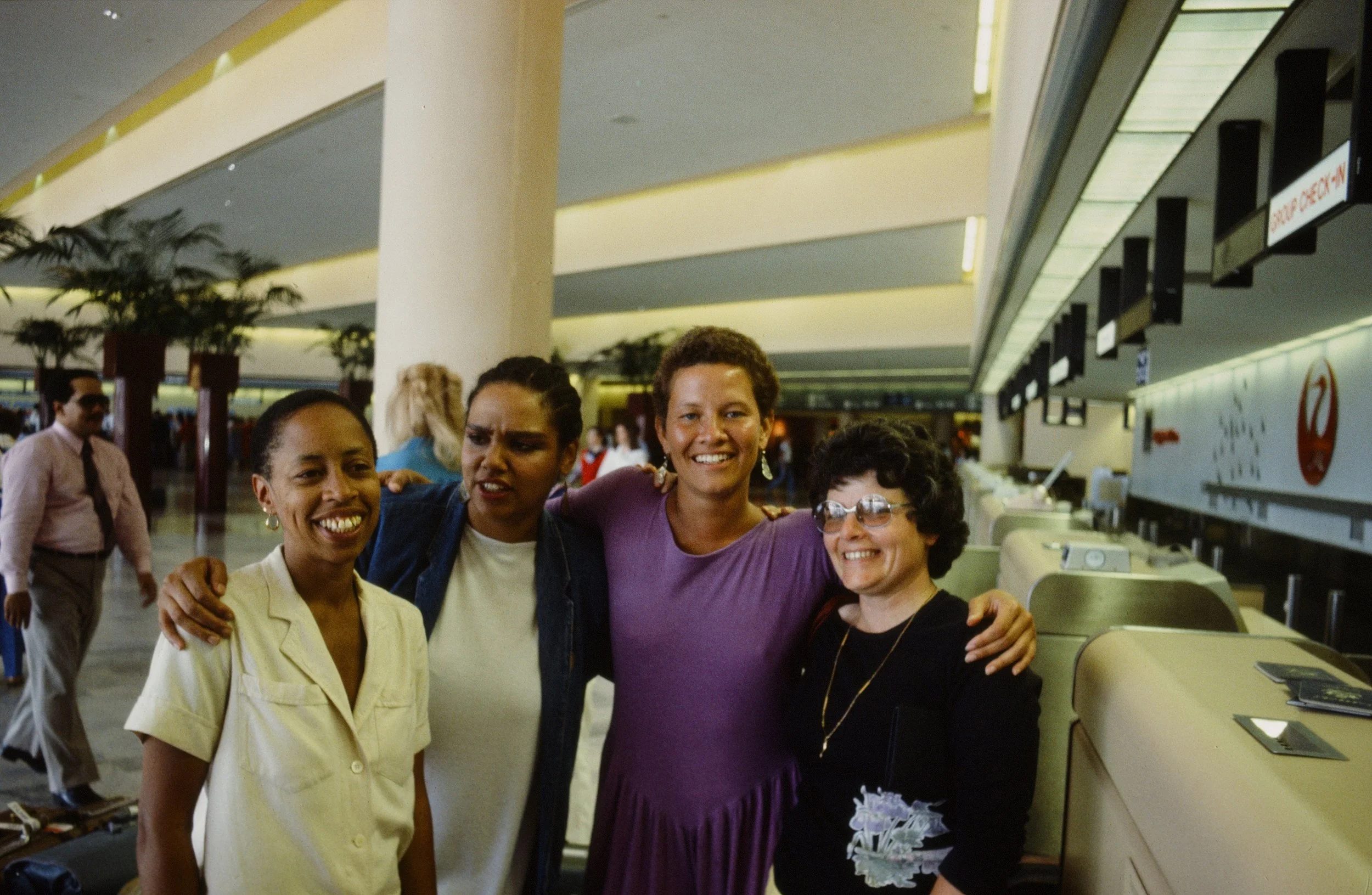
Roma in Beijing at the United Nations’ 4th Annual International Women’s Conference.
Today, the institutions she helped create continue to serve thousands of people annually. The Women’s Building remains a vital community hub for women, immigrants, refugees, POC, the incarcerated and LGBTQ+ individuals seeking resources, safety, education, and opportunity. More than fifty years after its founding, it still embodies the mission that Guy helped define.
Looking back across her life, a consistent thread emerges. Whether she was helping build literacy programs in West Africa, harvesting potatoes in Maine, organizing social services in San Francisco, founding shelters for survivors of violence, or creating spaces where women and LGBTQ+ people could gather and thrive, Guy was always responding to the same question:
How do we create a place where people can belong?
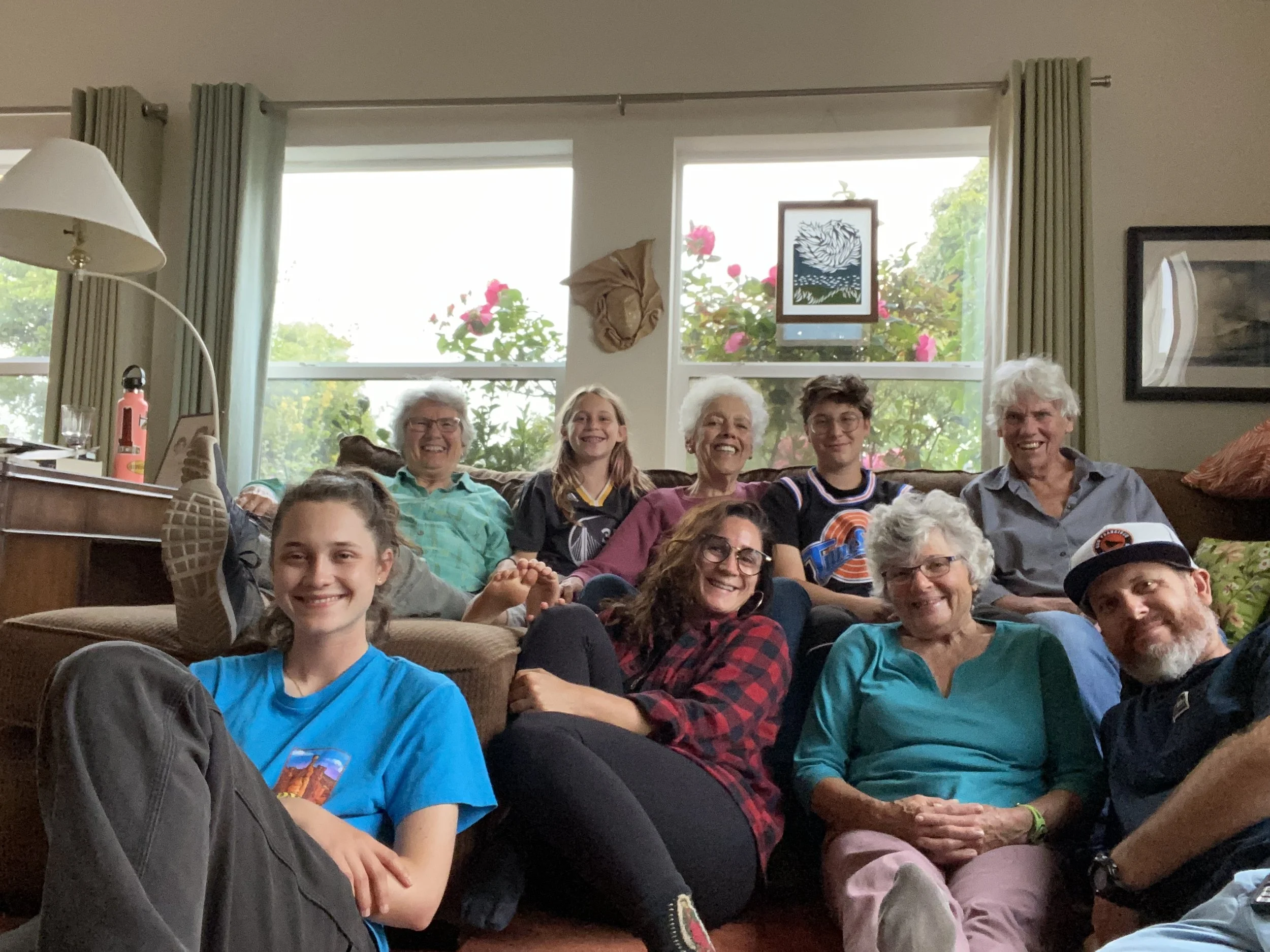
Roma with her extended family at home in San Francisco.
The answer, for her, was never abstract. It required buildings, organizations, relationships, and community. It required courage, persistence, and a willingness to keep working long after the headlines faded.
Roma Guy’s life demonstrates that social change is not only made through speeches or protests. Sometimes it is made by creating a room, then a building, then an organization, and finally a community that continues serving others for generations.
The young girl who rose before dawn to pick potatoes in northern Maine grew into a woman who helped build some of the most influential feminist and LGBTQ+ institutions in America. Her legacy is written not only in history books, but also in the lives of the countless people who found safety, opportunity, inspiration, and hope because she decided there was work to do—and then devoted her life to doing it.
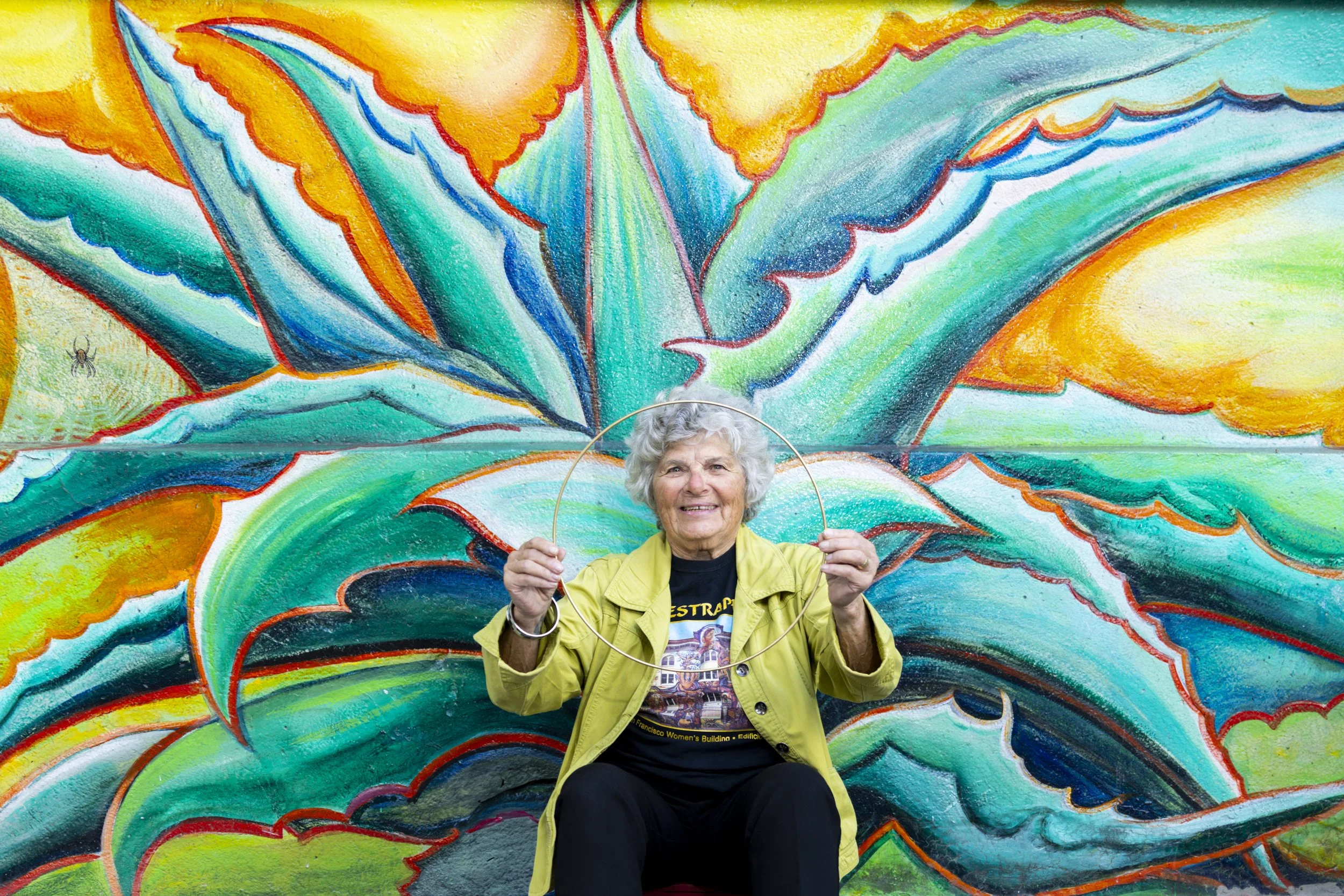
Roma in front of one of the many beautiful murals at The Women’s Building, San Francisco.